A Casino in Fiction Is Not a Visitor Guide
Casino fiction turns interiors into shorthand for mood and status; learn to read the visual cues without mistaking them for a real venue’s layout.
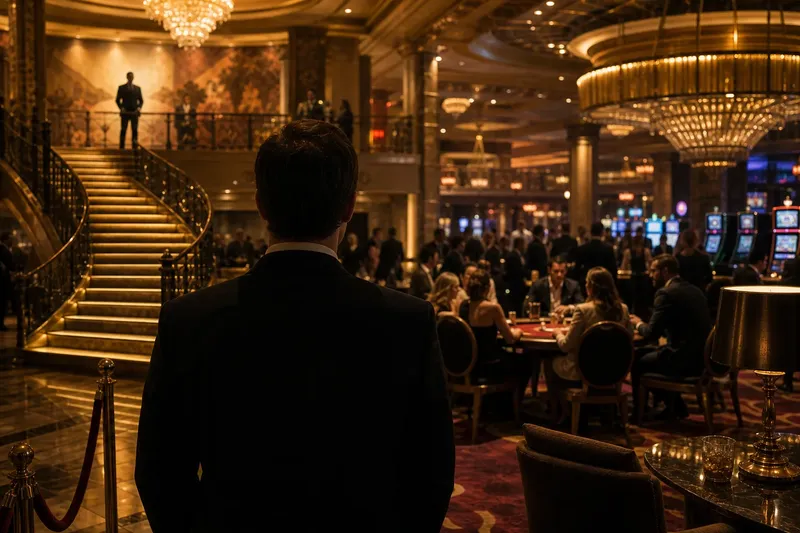
A casino in fiction is designed to tell a story before anyone speaks. In a film or television scene, a sweeping staircase can announce status, a crowded gaming floor can suggest pressure, and a quiet lounge can make a character seem untouchable. These images are clues to mood and power, not reliable directions for visiting a real casino.
Rooms as story signals
Screen spaces have a job that real spaces do not: they must communicate quickly to a viewer who may see a room for only a few seconds. A director can make a casino feel welcoming, unnerving or extravagant by choosing what enters the frame and what stays outside it.
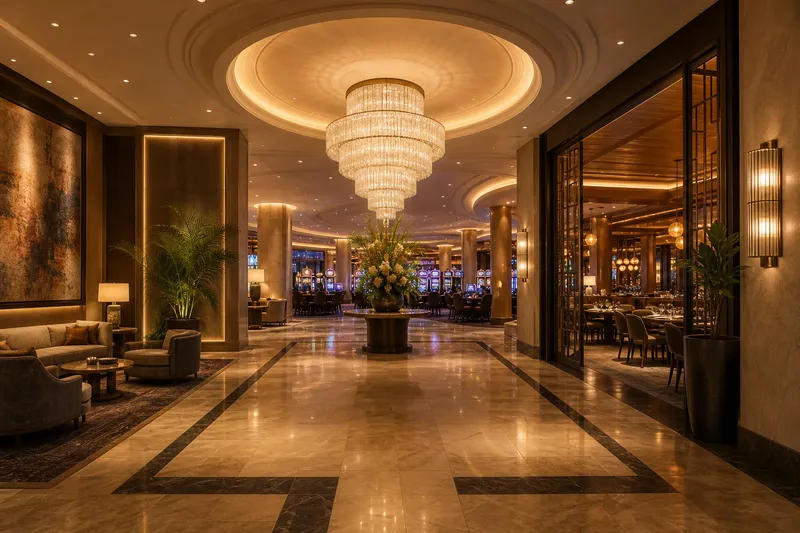
That choice might involve polished stone, saturated colour, a long sightline or a tight cluster of tables. The details work together like visual shorthand. A character framed beneath a chandelier may appear important; the same person hemmed in by slot machines may seem trapped or overwhelmed.
Real venues also make deliberate design choices, but their rooms serve guests moving through them over time. Fiction compresses that experience into a sequence of carefully selected views.
How status takes shape
Stories often use height, distance and access to separate characters. A private balcony can place a powerful figure above the crowd. A roped-off entrance can turn an ordinary doorway into a symbol of privilege. Even a comfortable chair placed apart from the action may signal that its occupant has influence.
These cues need not match the way a real venue assigns access or hospitality. On screen, a velvet rope may be less a practical barrier than a visual sentence: this person belongs somewhere others cannot enter. A hotel suite, restaurant or private room might be used as a stand-in for a casino’s imagined hierarchy.
Notice who gets space around them, who must ask permission to move and who seems to know the room already. The scene is showing relationships, not providing a floor plan.
Atmosphere through framing
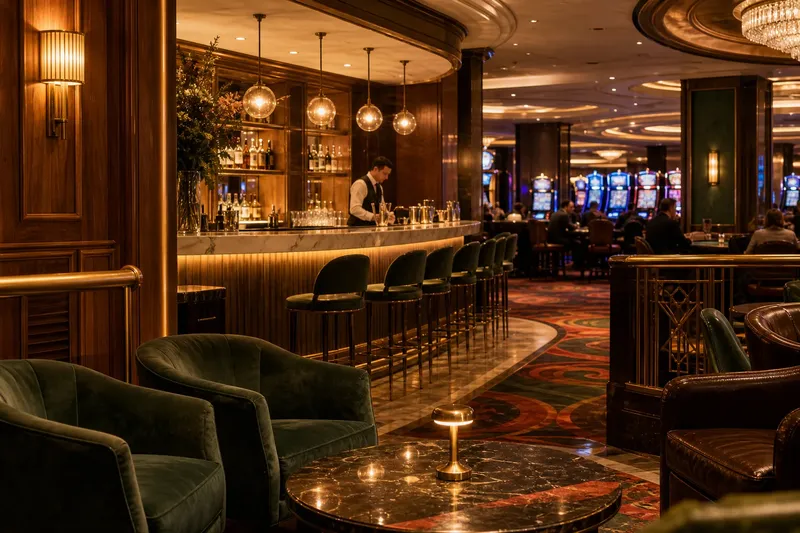
Lighting and colour can make a familiar room feel entirely different. Deep shadows and sharp reflections may lend a gaming floor a secretive edge. Bright, even illumination can make it look open and social. Neither treatment tells you how a real venue will feel in person; each is part of the production’s visual argument.
Camera position matters just as much. A low angle can make a ceiling feel monumental, while a close view of chips, cards or a cocktail can narrow the world to one character’s attention. Editing then shapes the apparent geography: a corridor, table and lounge may seem connected because the cut makes them feel connected.
Sound completes the illusion. Music, murmuring voices and the clink of glass can be heightened or softened to steer the viewer’s response. A quiet room on screen may have been created through sound design, not copied from a venue’s actual atmosphere.
What fiction leaves out
A story selects what supports its plot. It may omit signs, accessible routes, ordinary seating, service counters or the transitions between public and private areas. These details can matter a great deal to a visitor, yet they may interrupt the clean visual line a scene needs.
Likewise, a fictional casino can combine features from different kinds of spaces. A grand entrance may lead, in the next shot, to a gaming room that was filmed elsewhere. Set dressing can add branded details or remove them. A camera angle can make a modest room appear vast, or hide the practical features that would orient a guest.
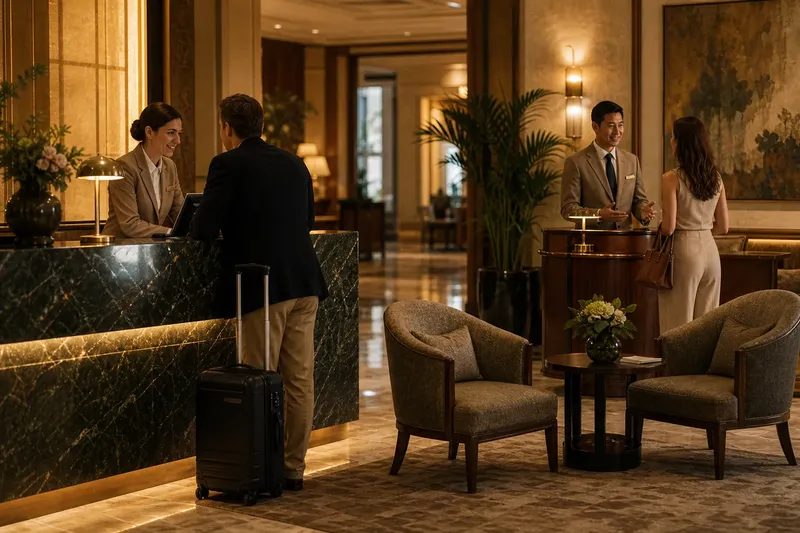
Say you see a character glide from a hotel lobby to a private gaming room without pausing. That smooth passage may be there to keep the scene moving and underline the character’s status. It does not tell you that an actual property has the same route, access rules or connection between rooms.
Reading casino scenes?
Why do fictional casinos look more dramatic?
Production design and camera choices concentrate attention on a few strong shapes, colours and contrasts. The result serves the scene’s mood, rather than documenting every feature a visitor would encounter.
Can a film show a real casino layout?
It can show a real location, but the finished scene may still be edited, redressed or combined with footage from elsewhere. Treat the images as cinematic evidence of a setting, not as a dependable map.
What does a private room usually signal in a story?
It often represents influence, secrecy or separation from the crowd. The meaning comes from the scene’s framing and character relationships, not from a universal rule about real casino rooms.
How can I find practical visitor information?
Use the venue’s own current website, directory or guest-service team for access, facilities and directions. A film can help you recognise an atmosphere, but it cannot settle the practical details of a visit.
From screen to venue
When a casino scene catches your eye, separate its emotional message from its practical claims. Ask what the space says about the character, where the camera directs your attention and which parts of the room remain unseen. Those questions make the design more legible without turning a cinematic image into a promise about a real place.
For a planned visit, check the specific venue’s own information rather than relying on a scene’s apparent route or access. Read casino fiction for its visual language: the grand stair, the guarded doorway and the glowing table are story tools first, and visitor guidance only if independently confirmed.